
Upgrade protection without guessing what is needed
Existing circuits checked first
We identify and assess the circuits before changeover, rather than finding surprises halfway through.
Protection matched to the site
Board choice depends on layout, risk and the installation already in front of us.
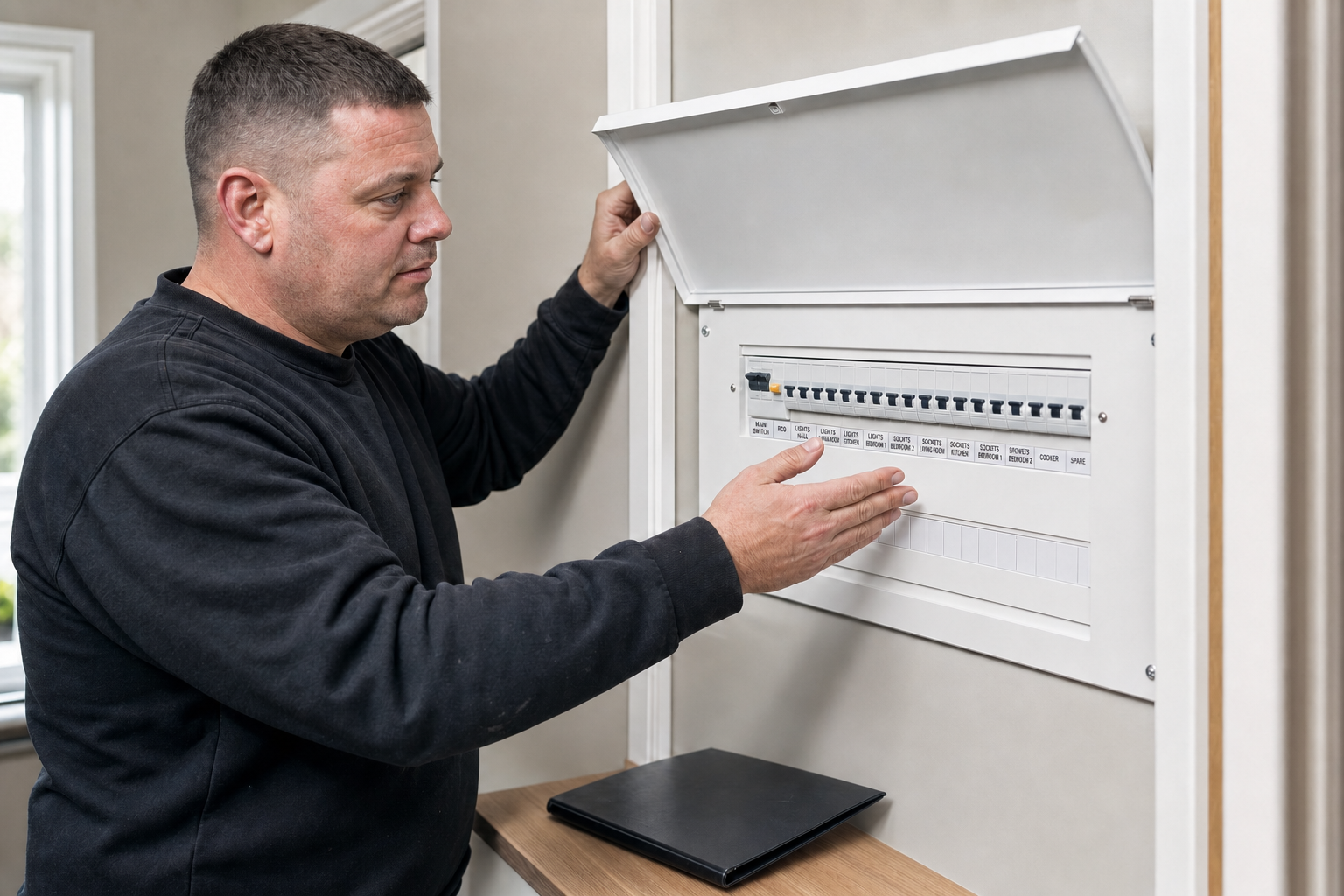
Labelled, tested finish
The completed board is connected, labelled, tested and certified as part of the change.
Why the board matters to the whole system
The distribution board is where the electrical supply is divided into protected circuits, so its condition has a knock-on effect on the rest of the installation. Old fuse gear, damaged components, limited circuit capacity or unsuitable protection can all be signs that an upgrade needs looking at seriously. With Paul Willis Electrical Ltd, we start by assessing the existing installation, identifying circuits and checking for defects that may need attention before a changeover goes ahead. In Bradford, that matters because the smartest new board in the world cannot hide problems elsewhere.
A changeover planned and tested properly
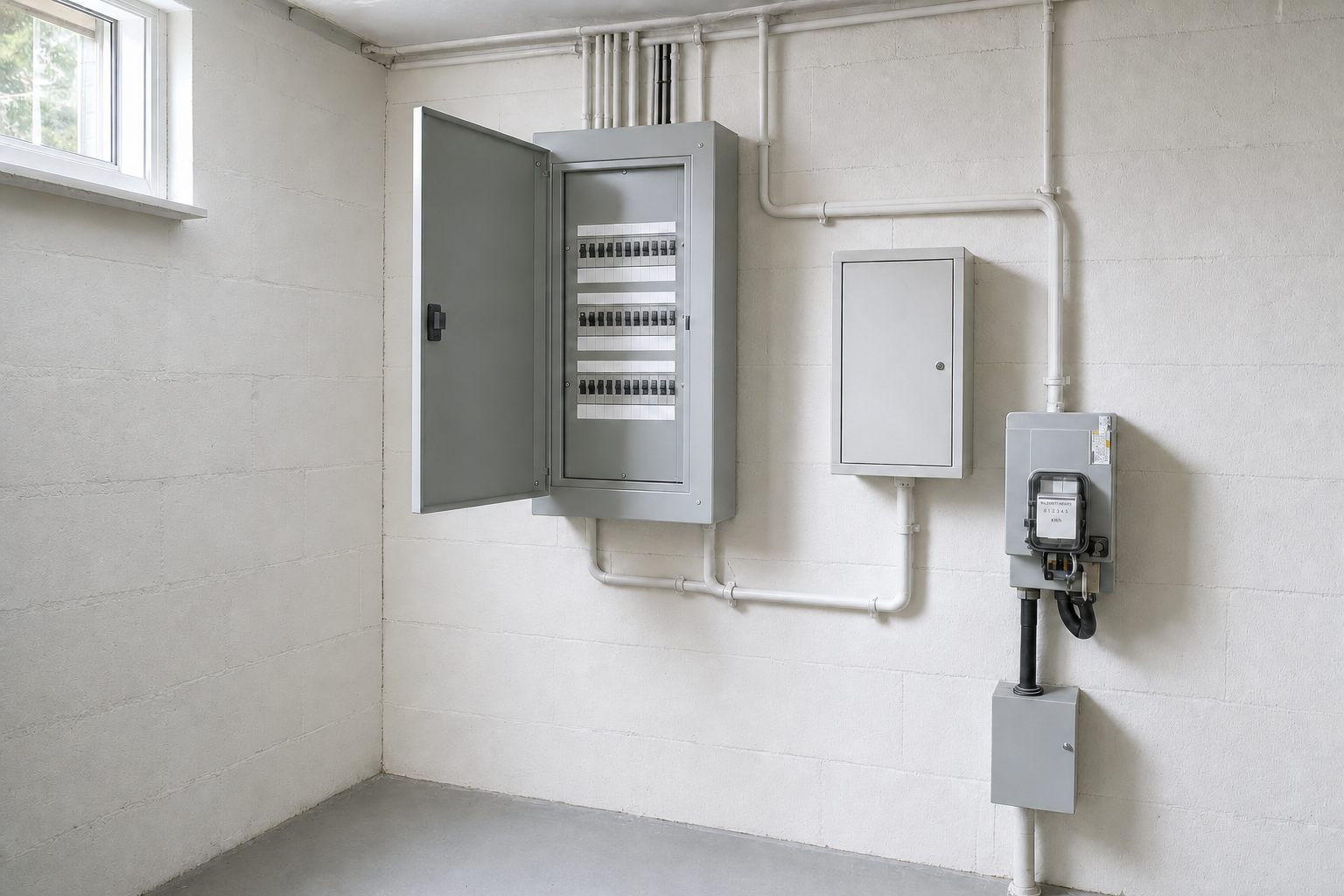
The right board and protective-device arrangement depends on the installation, the circuit layout and the risks identified during assessment. Choosing Paul Willis Electrical Ltd means the upgrade can move through isolation, replacement, circuit connection, labelling, testing and certification in the proper order. We have also completed upgrades replacing older fuse boards with 18th Edition split-load RCD units. That sort of work is not about changing a box for the fun of it. It is about giving the wider installation a more suitable starting point.
Frequently asked questions
When should a distribution board be upgraded?
Common reasons include obsolete fuse gear, damaged components, insufficient circuit capacity or a need for improved protective arrangements. The broader condition of the installation also matters, which is why we assess that before advising on the change.
Do you check the rest of the installation first?
Yes. Before upgrading the board, we identify circuits and look for defects that could affect the changeover or need attention. That helps avoid fitting new protection onto an installation that still has unresolved underlying issues.
What happens during the board changeover?
The usual stages are isolation, removal of the old board, connection of circuits into the new arrangement, labelling, testing and certification. The exact setup depends on the installation and what protective devices are most suitable for it.