
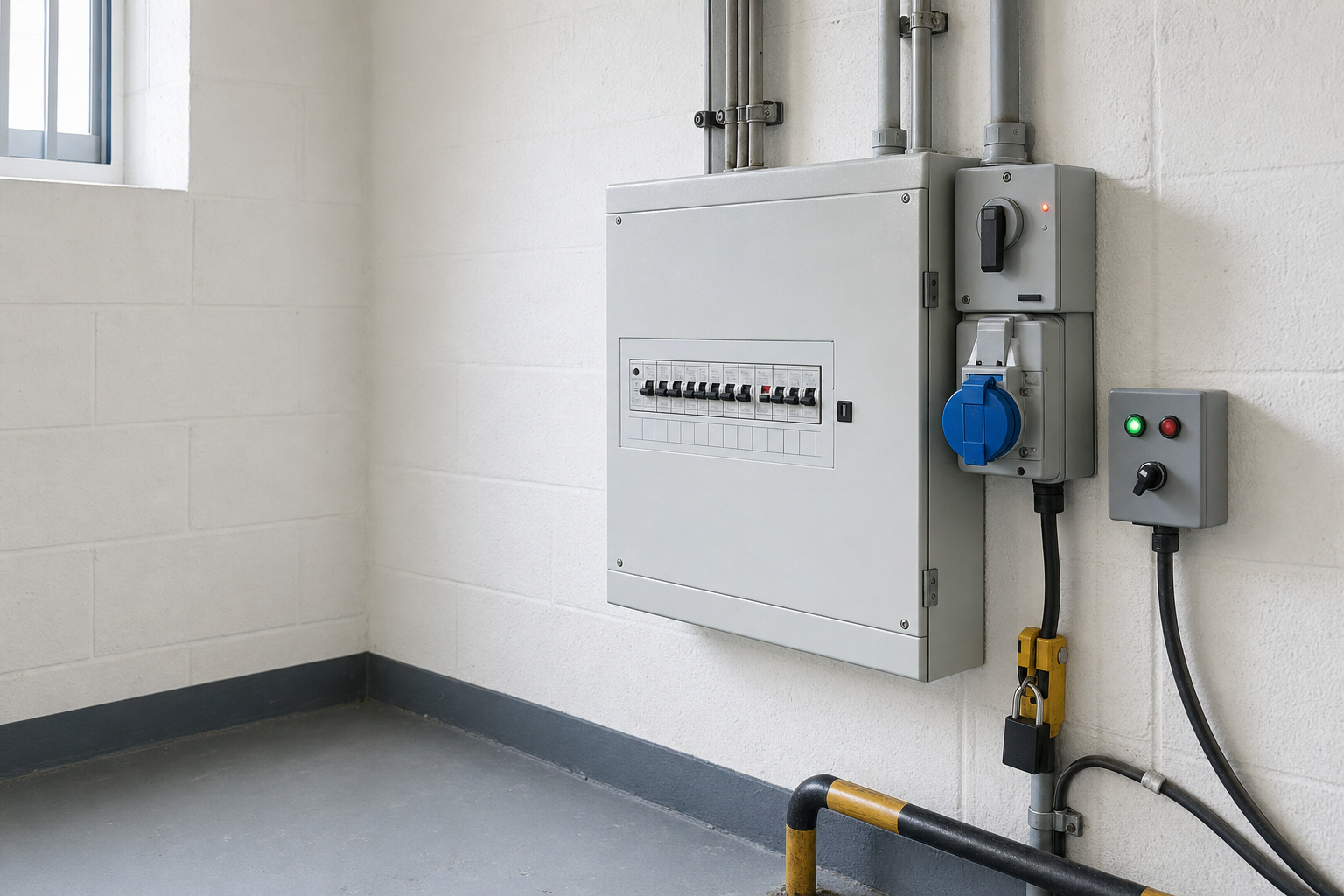
Pin down the fault fast
Cause before cure
Diagnosis focuses on the actual source of the problem, not just the symptom you first saw.
Useful for tricky faults
Intermittent issues can be linked to loads, heat, moisture or hidden wiring damage.
Repair advice that fits
Once the fault is found, the next repair step is explained in plain, workable terms.
Find the cause instead of swapping parts blindly
Electrical faults have a talent for showing up at the worst possible time and then pretending nothing is wrong when someone arrives. That is why fault finding needs a logical process rather than hopeful parts changing. With Paul Willis Electrical Ltd, we investigate intermittent tripping, partial power loss, failed circuits, flickering lights, overheating and equipment-related symptoms by gathering fault information, checking protective devices and narrowing down the affected circuits. In Bradford, that careful approach helps direct repair work to the real cause instead of wasting time on the wrong component.
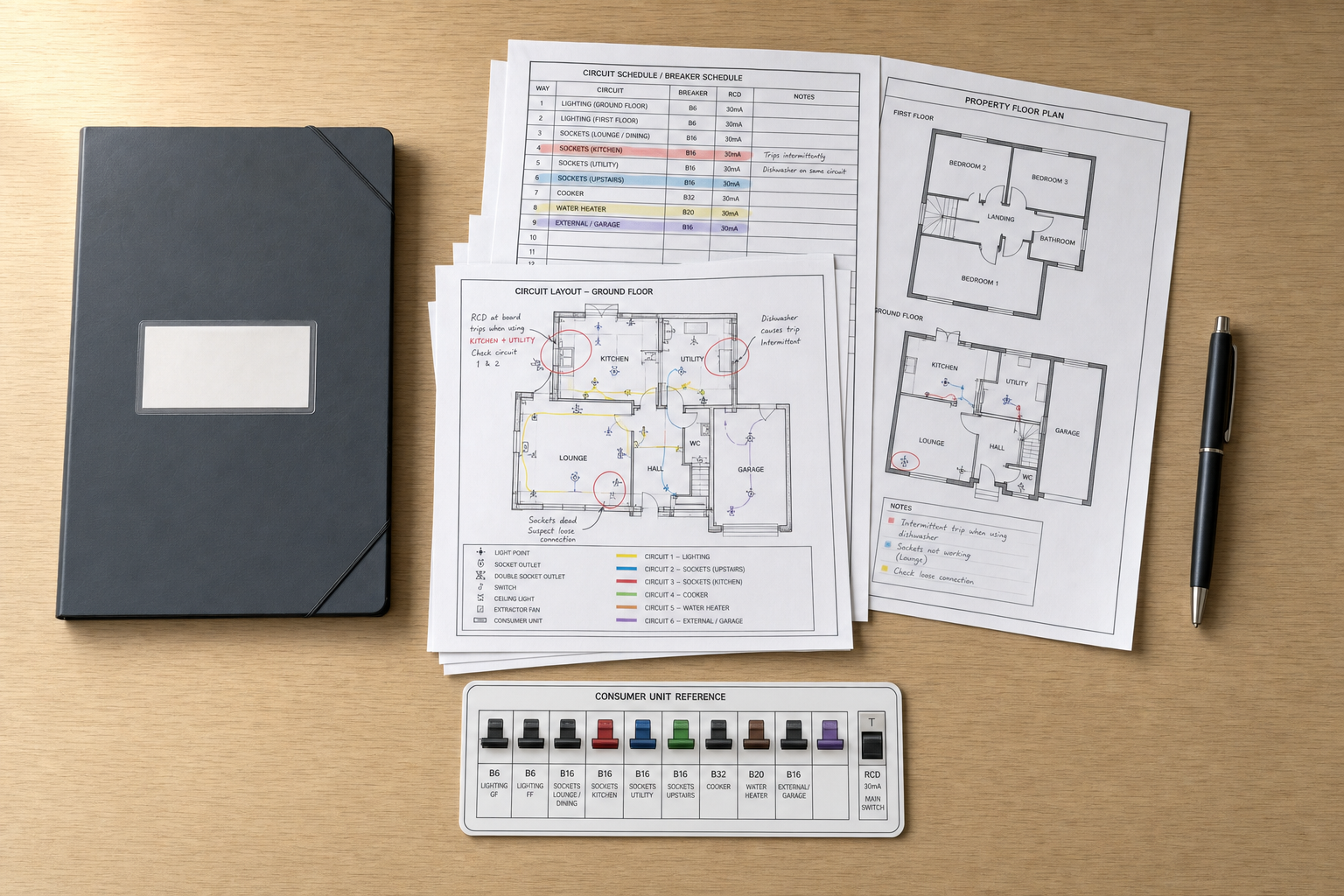
Intermittent faults need proper detective work
Some problems only appear when certain loads are connected, at certain operating times or when moisture, heat or damaged wiring starts to affect the circuit. Choosing Paul Willis Electrical Ltd means we can isolate and test as needed, explain what the fault is doing and recommend repair work based on evidence rather than hunches. That matters because accurate diagnosis often prevents the unnecessary replacement of serviceable parts and gives you a much clearer route to a lasting fix.
Frequently asked questions
Why do some circuits trip only now and then?
Intermittent tripping can be linked to changing loads, timed equipment use, moisture, heat or damage within the circuit. The difficulty is that the fault may not show itself all the time, which is why a methodical diagnosis is so important.
Will power need to be isolated during diagnosis?
Possibly. Isolation is sometimes needed so we can test safely and narrow the fault down properly. If that is required, we explain the reason and keep the disruption as controlled as we reasonably can while the checks are carried out.
Can fault finding stop unnecessary replacements?
Yes, that is one of its main benefits. When the cause is identified properly, repair work can be aimed at the faulty part instead of replacing components that were never the problem in the first place.