
Thorough inspections
Catch issues earlier
Testing can expose wear, damage and unsafe conditions before they start causing wider trouble.
Right test for the reason
Periodic inspection, verification and fault-led testing each serve a different practical purpose.
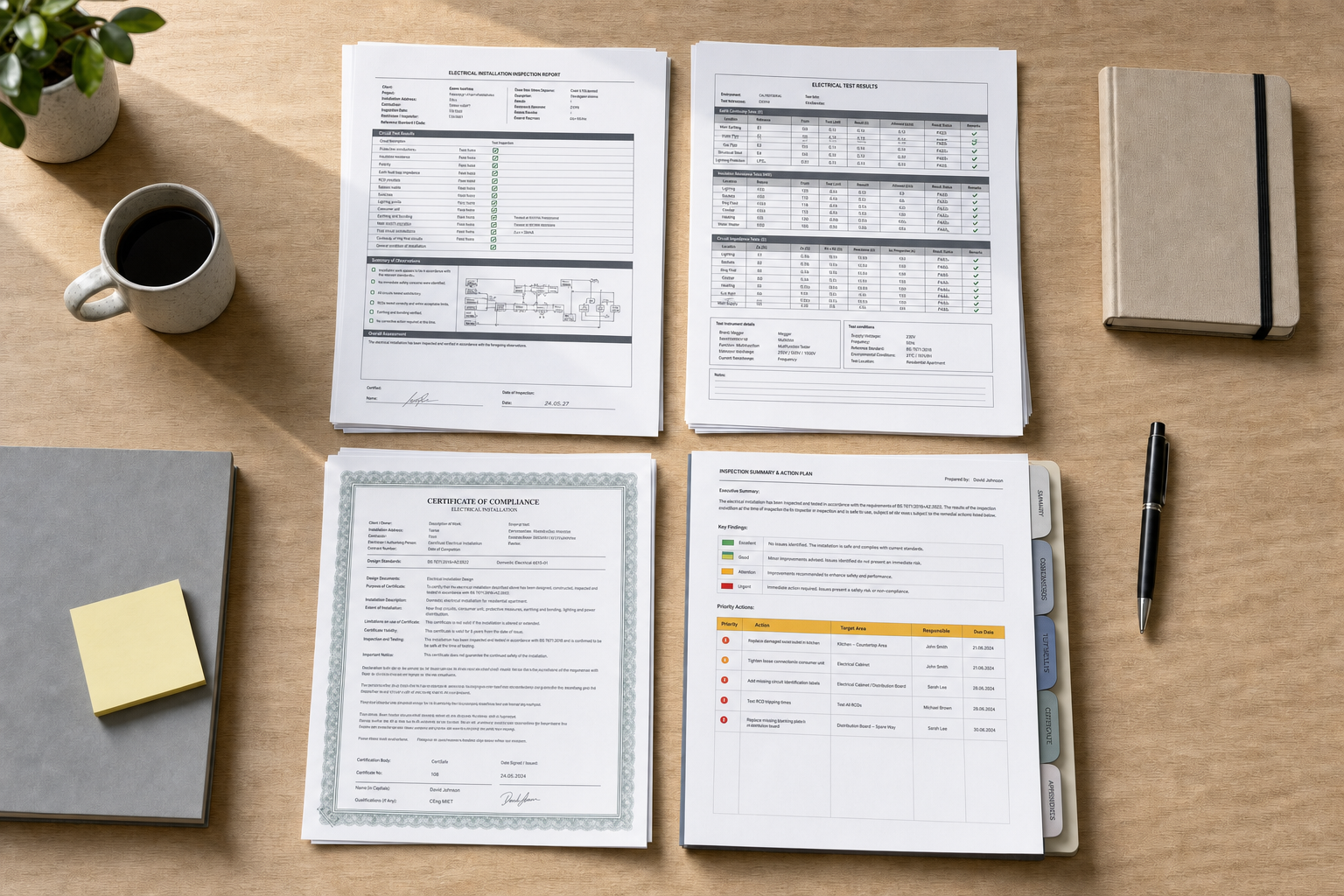
Documentation you can use
Findings are recorded clearly, so repairs and later maintenance have a sound starting point.
Checks that show what shape the system is in
Electrical inspection and testing is about finding out what condition the installation is actually in, not what everyone hopes it is in. With Paul Willis Electrical Ltd, commercial checks can cover periodic inspection of an existing installation, verification after electrical work or targeted testing where a fault is suspected. We carry out visual checks and electrical measurements covering earthing, bonding, insulation, continuity, polarity and protective-device operation. In Bradford, that gives you a more solid picture of safety, deterioration and likely trouble spots before they grow into bigger operational problems.
Clear access, proper testing, useful records
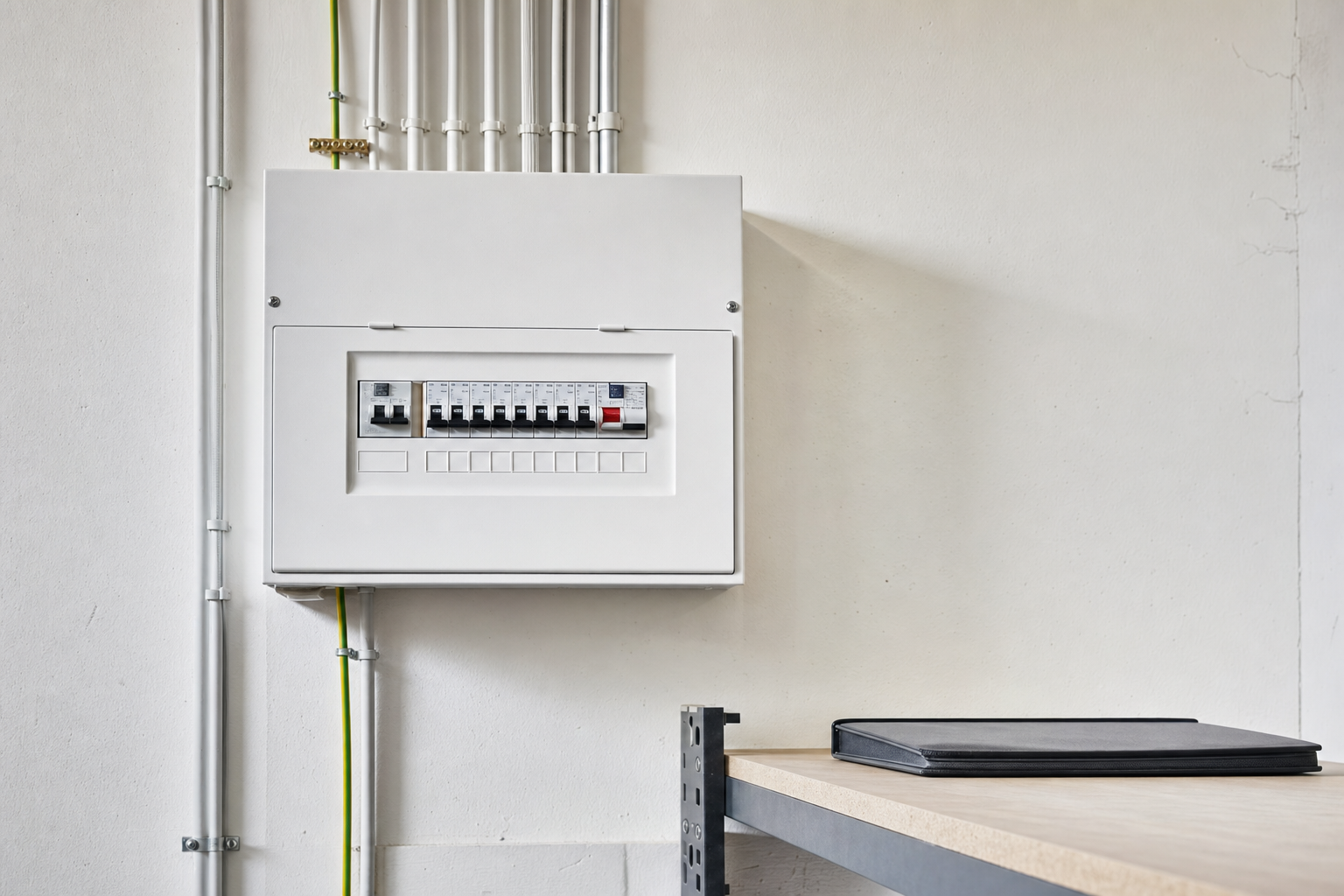
Some testing needs access to distribution equipment and circuits, and some parts may need temporary isolation while checks are carried out. Choosing Paul Willis Electrical Ltd means you are told plainly what is needed and why, rather than being left in the dark. Reports set out what was checked, what was found and what the next priority should be. That makes inspection and testing useful not just for compliance files, but for practical maintenance planning as well.
Frequently asked questions
Is periodic inspection the same as fault testing?
No. Periodic inspection looks at the overall condition and safety of a fixed installation, while targeted fault testing is used to investigate a particular problem. Both are useful, but they answer different questions.
Will power need to be isolated during testing?
Sometimes, yes. It depends on the circuits being checked and the type of test needed. If isolation is required, we explain that beforehand and plan it to reduce unnecessary disruption while still carrying out proper checks.
What sort of things do your reports cover?
Reports can cover visual observations, test results and points such as earthing, bonding, insulation, continuity, polarity and protective-device operation. The aim is to show what condition the installation is in and what needs attention next.